

 Trang chủ
 Máy trộn bê tông
 Pa Lăng
 Tời điện
 Con rùa chuyển hàng
 Tin tức
Tin tức
CBD vs THC: Differences, benefits, and effects
The differing psychoactive attributes between CBD and THC underscore their separate applications within medical treatment and leisurely consumption of cannabis products. THC is widely recognized for its capacity to induce an intoxicating high that is favored among users of recreational cannabis. THC (or tetrahydrocannabinol), is a naturally occurring compound found in the cannabis plant.
Importantly, the currently available formulations of cannabis , high-potency strains, and synthetic cannabinoids (full CBR agonists) may influence brain development even more, leading to worse outcomes compared to those football ultras and underground street style reported in past generations of cannabinoid users 151,152. In a survey of medical cannabis users — 58% used cannabis to treat anxiety and 46% to treat depression. The recommended dosing of THC and/or CBD is to start at a low dose twice a day (or once daily for insomnia) and gradually titrate the dose over two to three weeks until the participant’s optimal dose is discovered. The single-dose half-life of THC and CBD is 2—3 h (Lunn et al. 2019; Millar et al. 2018; Stott et al. 2013); however — THC and CBD accumulate in tissues, especially adipose tissues, due to their lipophilicity, and after multiple doses, their half-life is 2–5 days (Millar et al. 2018; Huestis 2007).
These blends are often found in medical cannabis products and are recommended under physician guidance. Each one interacts differently with the endocannabinoid system, which plays a big role in how we feel, rest, and respond to stress or pain. THC can create feelings of euphoria (relaxation), altered perception, or creativity, though higher doses may cause anxiety for some people. However (in some users or at higher doses), it can cause overthinking or anxiety-like behavior.
Knowing which compound is responsible for which effect helps you make more informed choices about what you use, how much, and why. When cannabis contained a more balanced ratio of THC to CBD, the experience may have been different from what most people encounter today. Today’s high-THC, low-CBD products hit the same brain system much harder with far less of the natural buffer.
Introduction to CBD and THC
If you’re curious, you can read more about how CBD and THC affect brain networks and dive deeper into this fascinating contrast. On the other hand (someone might take CBD oil every day to gently support their ECS), aiming for a more sustained sense of calm and overall well-being. This indirect method is why it can offer therapeutic benefits without making you feel high. This is the root of the psychoactive difference in the cbd vs thc effects. For example — taking a few drops of a CBD tincture before a big presentation could help you feel calm yet sharp and focused.
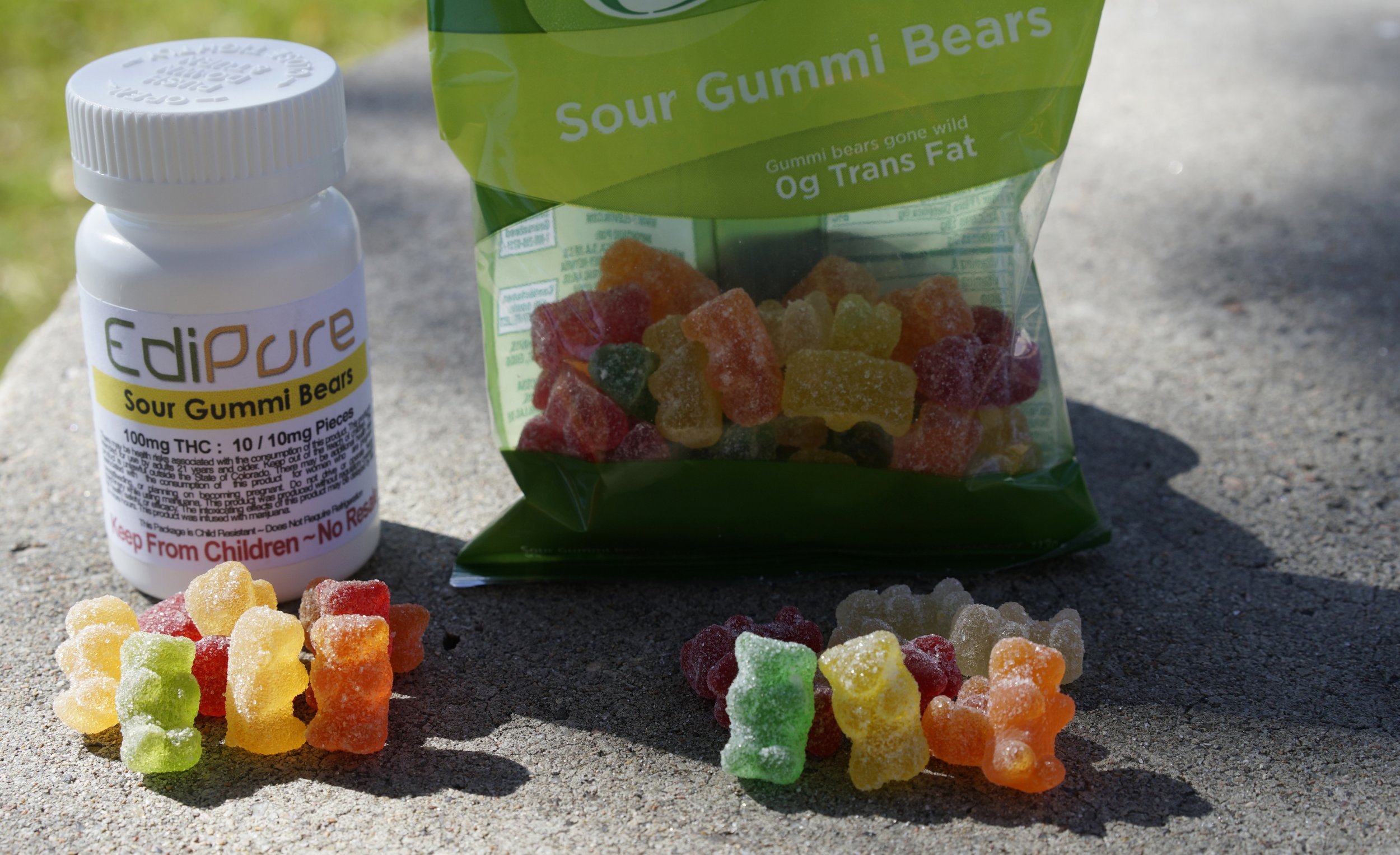
An Explanation of Psychoactivity: THC and CBD Compared
The most commonly reported adverse effects include fatigue — diarrhea, changes in appetite and weight, and elevated liver enzymes, the latter being most relevant at doses used in epilepsy treatment. However — it is not without side effects, particularly at high doses. A phenomenon sometimes called “greening out,” characterized by severe anxiety (nausea), and panic following very high THC intake, particularly from edibles, is another real risk. Acute effects include impaired short-term memory and reaction time (anxiety or paranoia at high doses), increased heart rate, dry mouth, and red eyes.
The decision between THC and CBD involves more than just the desire to experience a high. Its role in the treatment of various medical conditions is still being assessed through ongoing randomized clinical trials. Currently (there is no indication that CBD leads to addiction or misuse), even at relatively high doses. With minimal amounts, some individuals experience relaxation and even a boost in creativity. Although both cannabinoids are sourced from the cannabis plant, their effects and characteristics differ significantly. ✍️ About the Author: This article is authored by the editorial team at Blooming Vitality, a health and wellness platform that focuses on providing evidence-based information regarding natural supplements.